Edinburgh, Manchester, Derby, London, Birmingham
Commemorations were held in the UK to remember the victims of the Holocaust and the genocides in Cambodia, Rwanda, Darfur and Bosnia. The Holocaust is a word that has been mentioned often in the second half of the 20th century. Although in 1945 the world unanimously said: “Never again”, genocide has happened again, and right on European soil, in Bosnia and Herzegovina, less than a day’s drive from major European cities. Thus, words like genocide in Bosnia and Srebrenica have been mentioned often in the last 25 years.
The memory of the Holocaust is actually the memory of all the disasters that people themselves caused by killing others and others differently because of their skin color, religion, or political beliefs.
Edinburgh
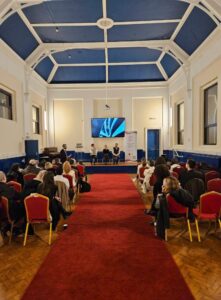
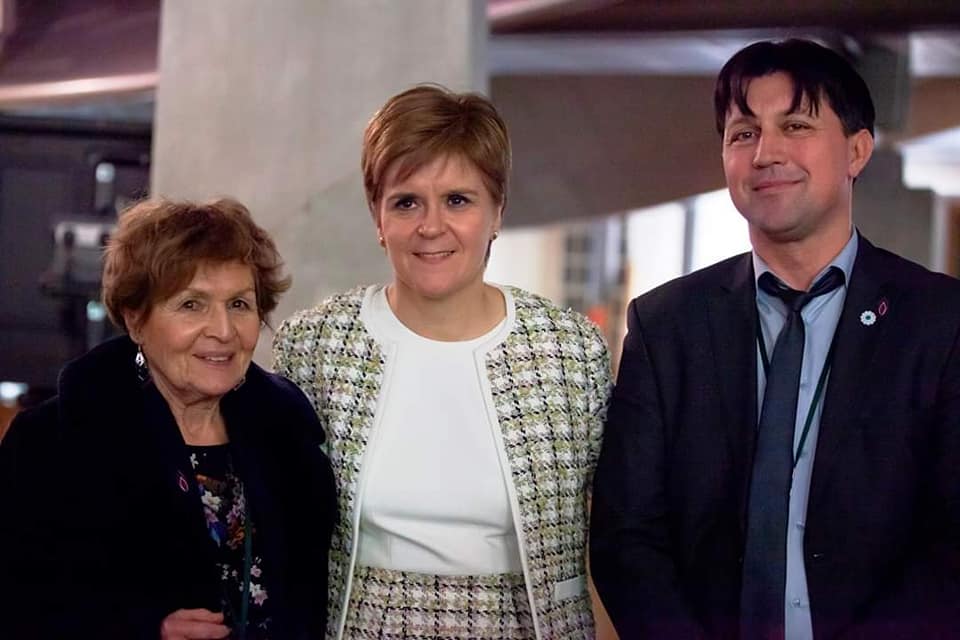
In the Scottish Parliament , at the Holocaust commemoration, Hasan Hasanović was invited to tell his story of survival during the Srebrenica genocide. One of the surviving participants of the Death March, Hasan today works as a curator at the Srebrenica Memorial Center. He tells numerous visitors about the horrors that the people of Srebrenica survived in July 1995 while trying to reach territory controlled by the Army of Bosnia and Herzegovina. Hasan lost his father and brother on the way. He emphasized the importance of memory, education and marking the commemorations of the Srebrenica genocide. On this occasion, he met and spoke with Prime Minister Nicola Sturgeon.
Birmingham
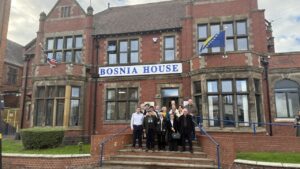
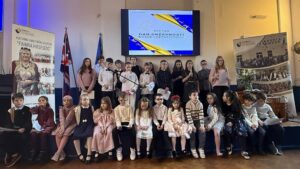
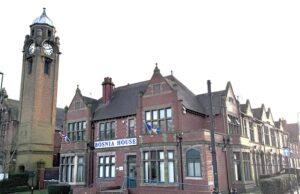
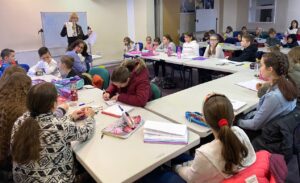 The Holocaust was commemorated at several locations. Students from the Bosnian supplementary school had the opportunity to watch the short documentary “Words to Survive” with their teachers in the Bosnian House school premises . After that, teachers Azra Bašić and Eldina Bolić held a workshop with the students, trying to explain to them the meaning of the Holocaust, but also other genocides, with a special focus on the genocide in Srebrenica.
The Birmingham Municipality organized a ceremony at the city hall, where Mayor Mohammed Azim was also present. On behalf of the Bosnian community, Sanela Saračević Hujić lit a candle, marking the 25th anniversary of the Srebrenica genocide, in memory of all victims of crimes and genocide around the world and those who continue to be killed in wars, conflicts and hate crimes. 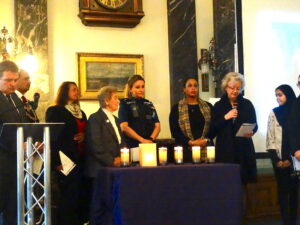
Also, Birmingham City Council, in partnership with the New Vic Theatre, organised a play at the MAC Centre, in Cannon Hill Park, entitled “Yizkor”. The play was based on true stories. Amra Mujkanović addressed the audience with emotional words regarding the organisation Remembering Srebrenica and the genocide in Bosnia and Herzegovina.
Manchester
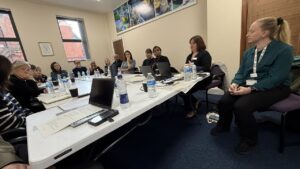
 Representatives of the Bosnian community in Manchester and the regional committee of Remembering Srebrenica attended a Holocaust commemoration at the city library . With prayers and candlelight vigils, tributes were paid to the millions of people killed in the Holocaust and the genocides in Srebrenica, Cambodia, Rwanda and Darfur. The ceremony was also attended by the Mayor of Manchester, Andy Burnham, Councillor Abid Latif Chohan and many other guests
HMD also organised an “Evening with Lejla Damon” at Edinburgh Central Library . Lejla currently lives in Manchester. Lejla left Bosnia as a baby when she was adopted by a couple, journalists, who followed the tragic story of her mother who was held in a concentration camp and raped until she became pregnant. Lejla now works with War Child and regularly speaks at global conferences on ending sexual violence in conflict.
London

As part of the program shown on the BBC , about the central commemoration in Westminster, on the occasion of the Holocaust and genocide in Srebrenica, Rwanda, Cambodia and Darfur, Ed Vulliamy also spoke, who, together with Penny Marshal, reported on the wars in Croatia and Bosnia, and in 1992, they were the first to reveal to the world the existence of concentration camps in the Bosnian Krajina. Testifying before the International Criminal Tribunal for the former Yugoslavia, Vulliamy in 1996 became the first journalist in history to testify before one of the international criminal courts. He was a witness at nine trials of the Hague Tribunal, including the trials of Radovan Karadžić and Ratko Mladić. Members of the Bosnian community from London also attended the commemoration.
Derby
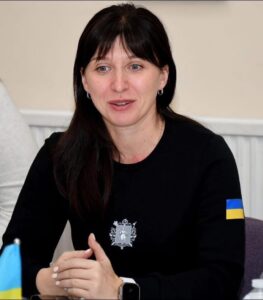
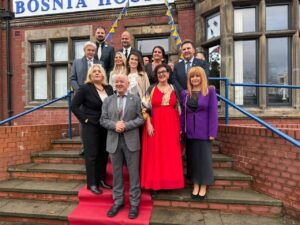
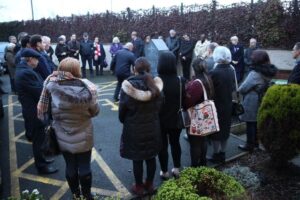 Traditionally, this year, a reception was held for many guests at the premises of the BiH Association Derby on the occasion of Holocaust Remembrance Day. The President of the Association, Nermina Webster, invited those present to lay flowers and pay tribute to the victims of the Srebrenica genocide and other parts of BiH at the monument located in the yard of the BiH Centre Derby. Those present had the opportunity to watch a short film. The program was also attended by the Minister Counsellor of the BiH Embassy in London, Mr. Igor Bašić, the Mayor of the City of Derby, Councillor Frank Harwood, and representatives of the Armenian Embassy, the Ukrainian and Jewish communities in Great Britain. The program was also attended by students of the BiH Supplementary School Derby and the folklore group “Bosanski Biseri”
In order for all victims to have meaning, we strive that the memory of the sufferings of the victims of Auschwitz and all other victims of monstrous minds will be a lesson for new generations to reject ideologies based on segregation and intolerance.
As a part of modern civilization, we must not forget what happened, but on the contrary, we should build a future in which there will be no place for wars, extremism, mutual conflicts and where every person will have the opportunity for a peaceful and dignified life.