The coronavirus can affect anyone, but it is thought to be more severe in older adults and people with pre-existing health conditions.
Among the thousands who have died from this virus – mostly in China – the majority are elderly patients who already had health problems such as cardiovascular diseases. If you’ve had a health problem for years, you’re probably feeling nervous right now.
Here’s what experts advise.
Who is at risk?
Having a chronic illness does not mean you are more likely to be infected with the coronavirus, but it is important to take special precautions to avoid getting sick because your symptoms could be much more severe.
People who are older, have weakened immune systems, or have chronic illnesses such as asthma, diabetes, or cardiovascular problems appear to be more susceptible to serious consequences.
Most people recover from the corona virus quickly after a few days of rest. For some people, however, it can be more serious and, in rare cases, life-threatening.
Experts say that Britain’s National Health Service, for example, is well-prepared to care for people with coronavirus. There are a large number of hospitals in the UK with specialist departments.
 How do I stay safe?
The most important thing at this time is to take common sense steps to reduce the risk of getting sick.
The virus is thought to be spread through coughing and through contaminated surfaces, such as handrails on stairs and doorknobs in public places.
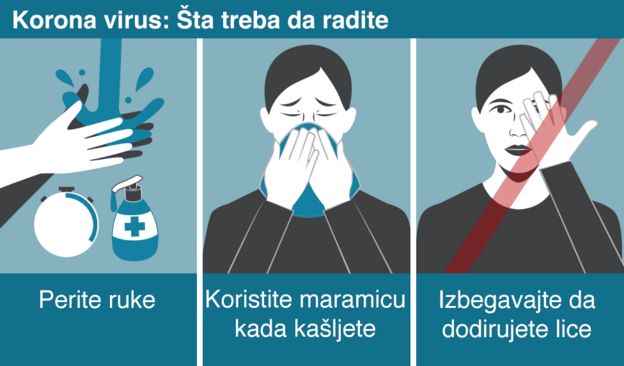
Good hygiene can prevent the spread of viruses between people:
- Cover your nose and mouth with a tissue or sleeve (not your hands) when you cough or sneeze.
- Throw used tissues into the bin immediately
- Wash your hands often with soap and water – use hand gel if soap and water are not available
- Try to avoid close contact with people who are not feeling well.
- Do not touch your eyes, nose or mouth if your hands are not clean
Should I use a face mask?
“We do not recommend the use of face masks because there is not enough evidence to show how effective they are. Also, for people with lung problems, wearing a mask can make it more difficult to breathe,” the British Lung Foundation says.
What should I do if I feel bad?
The symptoms of the coronavirus are:
- cough
- high temperature
- running out of air
These symptoms do not necessarily mean that you have contracted the corona virus.
“The most important thing for patients is not to panic. It is still more likely that someone with cold or flu-like symptoms has a cold or flu, rather than Covid-19,” says Dr Jonathan Leach, from the Royal College of General Practitioners.
If you think you may have the corona virus, call your doctor. Do not go to the health center, pharmacy or hospital.
Philippa Hobson, senior cardiac nurse at the British Heart Foundation, says that – if you have symptoms – you should also watch what you eat, stay hydrated and get plenty of rest.
Does the virus affect my therapy?
It is very important that even if you are not feeling well, you continue to take the medication that has been prescribed for you. If you need to pick up your prescription even though you are not feeling well, ask a friend or family member to do it for you.
Professor Peter Openshaw, from Imperial College London, says people should have at least a four-week supply of the drug.
It might also be a good idea to have a small food supply – but there’s no need to panic-stockpile.
I have asthma – what should I do?
The British Asthma Center advises: Continue to use your preventer inhaler every day as prescribed. This will reduce the risk of an asthma attack being triggered by a respiratory virus, as well as the corona virus.
Always carry a reliever inhaler with you in case your asthma symptoms start to get worse.
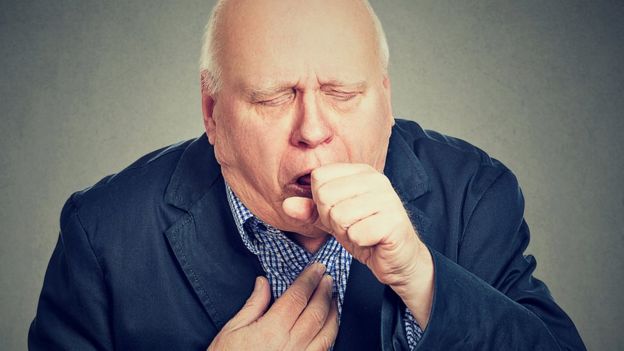
If your asthma worsens and there is a risk that you have the corona virus, call your doctor.
I have diabetes – what should I do?
Those who live with type 1 or 2 diabetes could be more likely to get sick from the corona virus.
“Coronavirus or Covid-19 can cause complications in people with diabetes,” says Dan Howarth, head of care at the British Diabetes Centre.
If you have diabetes and have symptoms such as cough, high fever and shortness of breath, you must carefully monitor your blood sugar level and contact your doctor.
What if I have another chronic problem?
People with ongoing health problems such as high blood pressure, lung problems, and weakened or compromised immunity are more likely to become seriously ill.
The Childhood Cancer and Leukemia Group advises that parents speak with the doctors treating their child to get guidance on what is best to do.
To reduce the risk of contracting coronavirus, the British Liver Trust advises high-risk patients to strictly follow the National Health Service’s hygiene guidelines to reduce the risk of contracting coronavirus.
Those who start to feel symptoms should call a doctor immediately.
Should pregnant women be concerned?
There is no evidence yet that pregnant women are at high risk. Like everyone else, they should take steps to avoid becoming infected.
I’m a smoker – am I at risk?
Deborah Arnott, chief executive of public health charity Ash, advises that heavy smokers should either cut back a little or try to quit cigarettes altogether to reduce their risk.
“Smokers are more prone to respiratory infections and are twice as likely to get pneumonia as non-smokers,” she said.
“Quitting smoking is good for your health in many ways and smokers should see the coronavirus as another motivation to try to quit smoking to strengthen their body’s defenses now before the coronavirus spreads.”